24 March 2026
Why I've Brought Liquid Herbal Medicine Back to the Centre of My Treatment Plans

By Amy Angus
Naturopath, BHSc
Liquid herbs have made their way back to the centre of my treatment plans, and honestly, the clinical results are speaking for themselves.
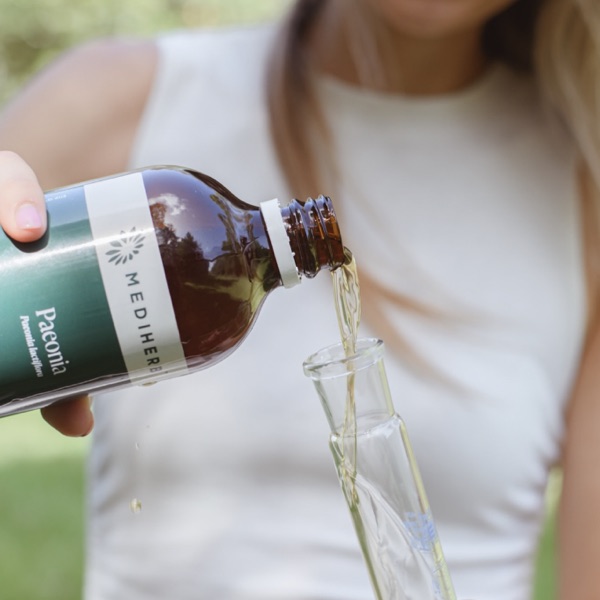
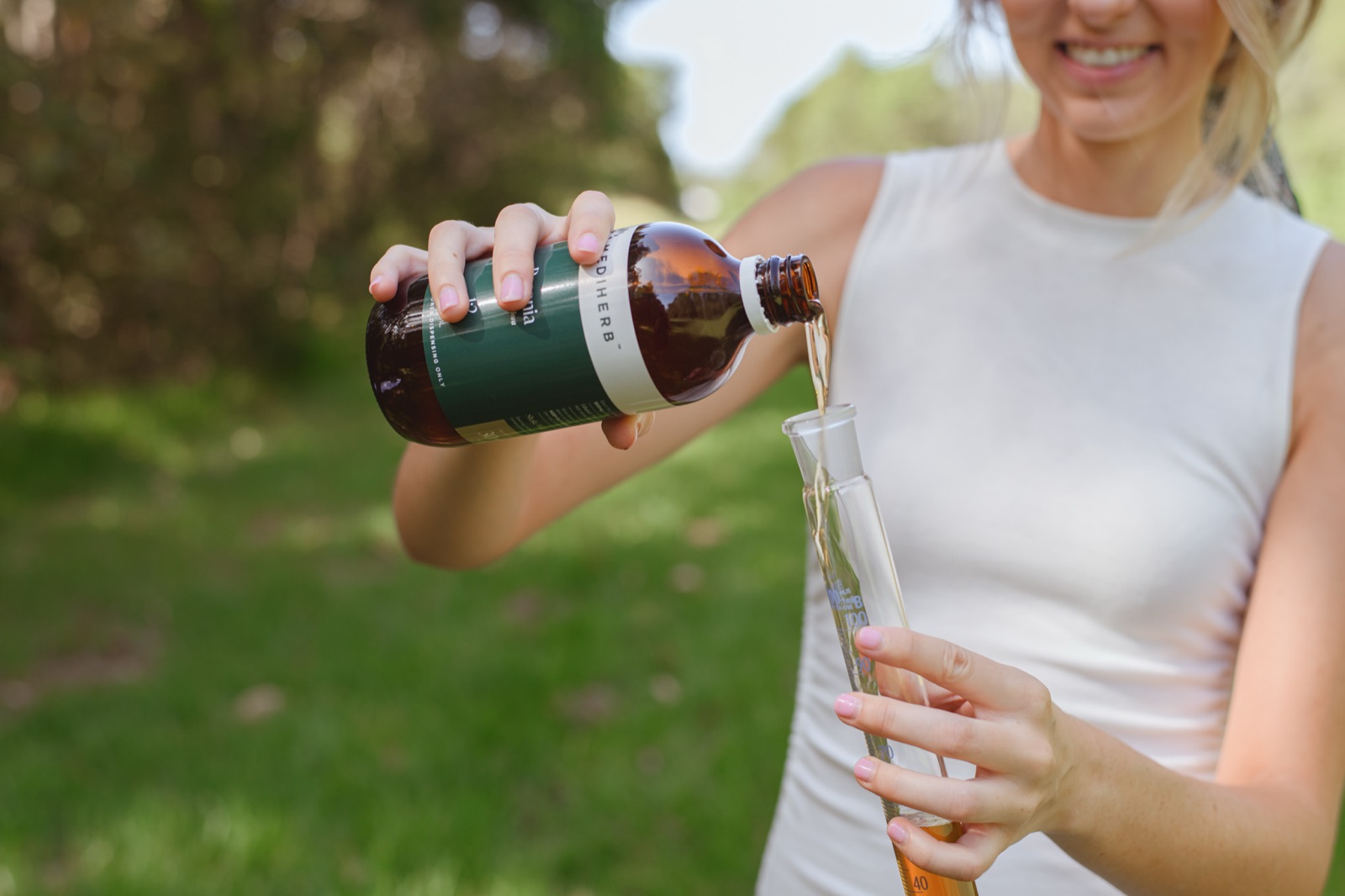
I'll admit I drifted away from them for a while, mainly due to taste compliance. Getting patients to stick with something that doesn't exactly taste very pleasant can be a challenge. But the consistency and strength of the results I'm seeing has brought me firmly back. With the right guidance and a few simple strategies, most patients adapt surprisingly well, and the benefits are absolutely worth it.
Japanese Knotweed: The Herbal Medicine I Keep Coming Back To
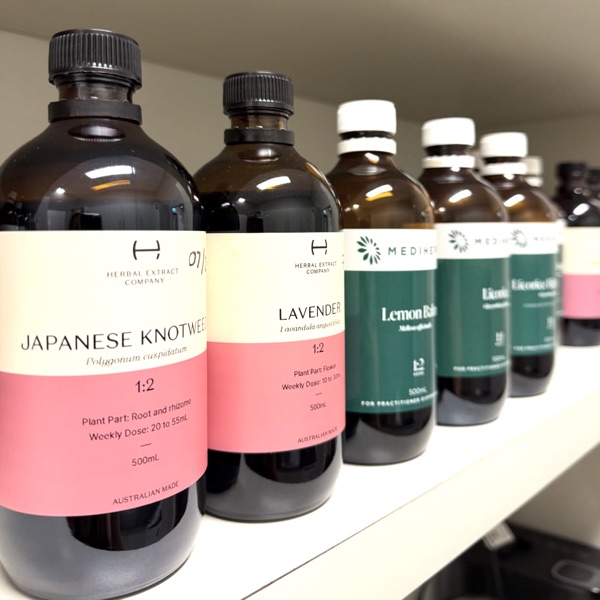
If you've seen my recent IG post, you'll notice Japanese Knotweed front and centre, and for good reason. This is one of my most-reached-for herbs in the clinic, and I want to share a little about why.
Japanese Knotweed (Polygonum cuspidatum) is a powerful medicinal herb with a long history of use in Traditional Chinese and Japanese medicine. In a modern clinical setting, it's become one of my go-to herbs when chronic inflammation and pain are present, particularly in women's hormonal and reproductive health cases (endo ladies, I am looking at you!).
When I Prescribe Japanese Knotweed for Endometriosis, Adenomyosis and Chronic Inflammation
I reach for Japanese Knotweed most often when:
- Chronic inflammation and pain are driving the presentation
- There is a sense of stagnation, where the body needs movement, circulation, and flow restored
- I'm working with endometriosis or adenomyosis, where inflammation and lesion activity are central to the picture
- Chronic fatigue is present, which is common in these complex hormonal cases
What Does the Research Say About Japanese Knotweed and Endometriosis?
The research is compelling. Japanese Knotweed is rich in resveratrol, a major polyphenol that has attracted significant scientific interest in recent years. One study found that resveratrol significantly reduced inflammatory cytokines and inhibited endometrial lesion growth, which is incredibly relevant for anyone managing endometriosis naturally or alongside conventional treatment.
Resveratrol works by modulating key inflammatory pathways, reducing oestrogen activity in lesion tissue, and supporting the immune system's ability to regulate abnormal cell growth. For a condition as complex and poorly understood as endometriosis, having a herb that targets multiple drivers at once is clinically very exciting.
Do Liquid Herbs Taste Bad? Here's What to Expect
Yes, liquid herbs can taste strong, Japanese Knotweed included. But in practice, mixed into a formula with complementary herbs and taken in a small amount of juice or water, most patients find it very manageable. The key is having the right support and knowing what to expect from the start.
If you're living with endometriosis, chronic pelvic pain, or fatigue that never seems to lift, and you're curious about whether herbal medicine could be part of your healing journey, book a consultation through the link below.