24 March 2026
How Many Serves of Fruit Do You Really Need Each Day?

By Amy Angus
Naturopath, BHSc
Let's settle this once and for all. Fruit has had a confusing reputation in the health world, and it's time to set the record straight.
The answer? Two serves a day. Three gets you bonus points. And if you're currently eating none, your gut is probably not very happy with you, and you likely know about it.
Why Fruit Is One of the Best Foods for Your Gut Microbiome
When it comes to feeding your gut microbiome, fruit is one of the most powerful and accessible tools you have. Fruit is loaded with fibre, polyphenols, and antioxidants, three things your gut bacteria absolutely thrive on.
These compounds act as fuel for your beneficial gut bacteria, helping them grow, diversify, and do their job properly. When your gut bugs are happy, the rest of your body follows. Better digestion, stronger immunity, improved mood, clearer skin, and more stable energy are all downstream effects of a well-fed microbiome.
If you've been avoiding fruit out of fear of sugar, it's worth knowing that the fibre in whole fruit significantly slows the release of natural sugars into the bloodstream, making it very different from eating refined sugar or drinking fruit juice.
What Counts as One Serve of Fruit? A Simple Guide
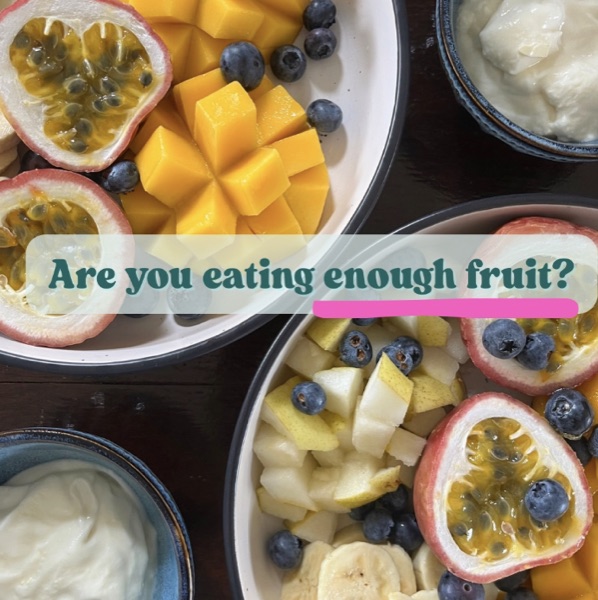
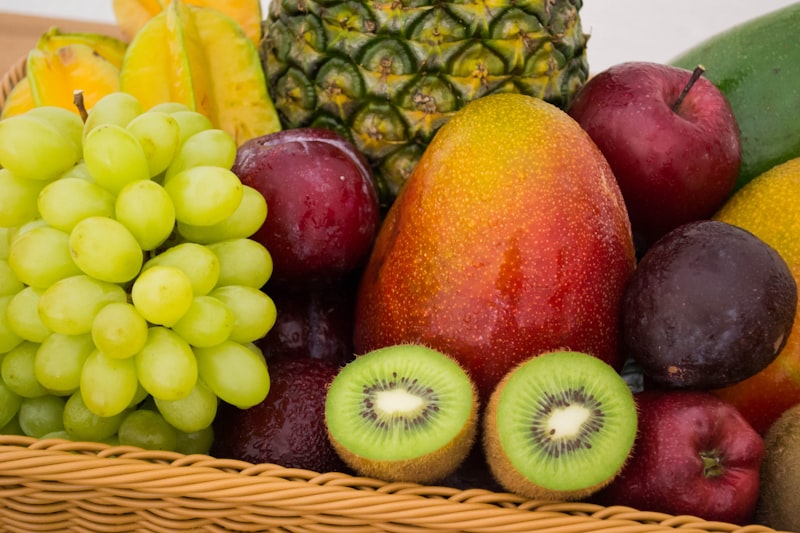
One serve of fruit is approximately 150g, roughly the size of a tennis ball. Here are some easy reference points:
- 1 medium apple, banana, orange, or pear
- 2 small kiwifruit
- 1 cup of berries
- 1 cup of diced pineapple
Aim for two of these a day and mix it up as much as possible, depending on what's in season.
Why Fruit Variety Matters for Gut Microbiome Diversity
Different fruits feed different microbes and your gut microbiome thrives on diversity. Eating the same apple every day is better than nothing, but rotating through a variety of fruits exposes your gut to a wider range of fibres and polyphenols, supporting a richer and more resilient microbiome.
A few practical tips to get more variety in:
- Eat with the seasons. Seasonal fruit is fresher, likely lower in pesticide residue, more nutrient-dense, and naturally rotates your intake throughout the year.
- Check the Dirty Dozen. Some fruits carry higher pesticide residues than others. Follow the Dirty Dozen and Clean 15, prioritising foods on the Clean 15 or eating certified organic where possible.
- Frozen counts. Frozen fruit is picked and frozen at peak ripeness, meaning the nutrient content is often comparable to fresh. It's also easier on the budget and reduces waste.
Fruit and Gut Conditions: When to Get Personalised Advice
For most people, fruit is an essential and beneficial part of a gut-friendly diet. However, some people with particular gut disturbances, such as SIBO or certain microbial imbalances, may need to temporarily reduce or modify their fruit intake as part of a targeted treatment plan. This is something to work through with your practitioner rather than a reason to avoid fruit altogether long-term.
The Simple Truth About Fruit and Gut Health
Keep your gut bugs fed, happy, and diverse and your whole body will thank you for it. Two servings of varied, seasonal fruit a day is one of the simplest and most evidence-supported habits you can build for your gut health and general wellbeing.
Your gut bugs will thank you.